For boutique salons in Denver, CO, success is often associated with talented stylists, memorable branding, loyal clients, and a welcoming atmosphere, but one of the most overlooked influences on long-term stability is the commercial lease agreement behind the business. A salon may have the perfect aesthetic, a strong social media presence, and steady appointment bookings, yet still face serious challenges if the lease terms limit growth, create unexpected expenses, or fail to protect the owner during difficult periods. Commercial leases are more than simple rental documents; they shape how a salon operates every day, from where signage can be placed to whether renovations are allowed, how maintenance costs are divided, and what happens if the business needs to expand or relocate. In a competitive city like Denver, where neighborhoods can change quickly and foot traffic varies by area, the details of a lease can quietly determine whether a boutique salon becomes a lasting local favorite or struggles under financial pressure.
Hidden Costs Can Affect Salon Profitability
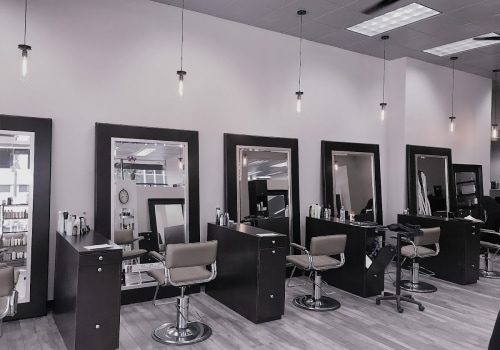
One major issue salon owners may overlook is the full cost of occupying a commercial space. Base rent is only one part of the equation, while common area maintenance fees, utilities, insurance requirements, property taxes, repair obligations, and renovation costs can significantly affect monthly cash flow. A boutique salon often needs plumbing, electrical support, ventilation, lighting, mirrors, styling stations, washing areas, and comfortable waiting spaces, so the ability to customize the property is essential. If the lease places too many restrictions on improvements or requires the tenant to pay for upgrades that benefit the building long-term, the owner may end up investing heavily in a space they do not own. This can become especially difficult for newer salons still building a client base. Clear lease language helps owners understand what they are responsible for before signing, reducing the chance of surprise expenses that interfere with payroll, product inventory, marketing, or equipment upgrades.
Legal Clarity Supports Better Business Decisions
Commercial lease agreements also influence risk management. For example, salons must consider clauses related to early termination, renewal options, exclusivity, subleasing, assignment, liability, and dispute resolution. A renewal option can protect a successful salon from being forced out just as it gains momentum, while an exclusivity clause may prevent a landlord from leasing nearby space to a direct competitor. Subleasing provisions can matter if a salon wants to rent chairs or suites to independent beauty professionals, while assignment clauses can affect future sale opportunities. Because lease terms can carry long-term business consequences, many owners benefit from reviewing agreements carefully before committing. While boutique salons deal with a different set of legal concerns than injury claims, the broader lesson is that professional guidance can prevent costly mistakes, and firms such as Jordan Law Accident & Injury Lawyers reflect the importance of understanding rights, obligations, and liability before problems escalate.
Building a Stronger Foundation for Growth
Ultimately, a commercial lease can either support a boutique salon’s growth or quietly limit its potential. A favorable lease gives salon owners the confidence to invest in branding, client experience, staff development, and high-quality services without constantly worrying about unexpected landlord disputes or rising costs. In Denver’s beauty market, where clients often choose salons based on atmosphere, convenience, and consistency, maintaining control over the business location is essential. Lease agreements should be treated as strategic business tools rather than routine paperwork, especially for salons that depend on repeat visits, neighborhood reputation, and personalized service. By paying close attention to lease terms before opening or expanding, boutique salon owners can protect their financial stability, avoid preventable conflicts, and create a stronger foundation for long-term success in Denver, CO.