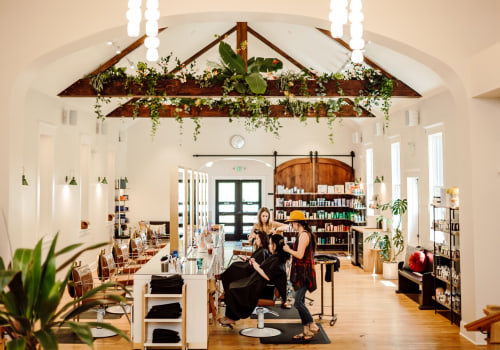
When people think about luxury salons, they often picture elegant interiors, personalized treatments, highly trained stylists, and premium beauty products. What is rarely considered, however, is the complex inventory management system operating behind the scenes. Small luxury salons face unique challenges when it comes to maintaining the right balance of products, supplies, and retail items. Unlike larger salon chains that can benefit from centralized purchasing and extensive storage capacity, independent luxury salons often work within limited spaces and tighter operational constraints. Despite these limitations, they must consistently deliver a high-end experience that meets the expectations of discerning clients.
Balancing Exclusivity and Product Availability
One of the most difficult aspects of inventory management in a small luxury salon is maintaining exclusivity while ensuring products remain available. Premium haircare, skincare, and beauty brands often carry higher costs and may have longer lead times than mass-market alternatives. Salon owners must carefully predict client demand without overstocking expensive products that could tie up valuable capital. Running out of a popular item can disappoint clients and potentially impact service quality, while ordering too much inventory can strain budgets and create storage challenges. Achieving the right balance requires ongoing monitoring of purchasing trends, seasonal demand, and client preferences.
Limited Storage Creates Unique Challenges
Space constraints are another frequently overlooked issue. Many luxury salons prioritize client comfort, stylish design, and premium service areas, leaving limited room for storage. As a result, salon owners must carefully organize back-room inventory while ensuring that essential products remain easily accessible. Every shelf and cabinet must be used efficiently. Overstocking can create clutter and reduce operational efficiency, while understocking may leave stylists without the products they need during appointments. Effective inventory planning becomes especially important during busy seasons when client demand increases and product usage becomes less predictable.
Managing Multiple Product Categories
Luxury salons typically carry a wide variety of products across several categories. Hair color formulations, shampoos, conditioners, styling products, skincare items, treatment solutions, and retail merchandise all require separate inventory tracking. Each product category may have different usage patterns, shelf lives, and supplier relationships. Salon managers must monitor stock levels closely to avoid waste while ensuring sufficient inventory is available to support appointments. This process often becomes more complicated when salons offer customized services that require unique product combinations tailored to individual clients.
Supply Chain and Operational Considerations
Supply chain disruptions can have a significant impact on small luxury salons. Delays from manufacturers or distributors may create shortages that affect scheduling and service delivery. Salon owners must often maintain relationships with multiple suppliers to reduce risk and improve flexibility. Although luxury salons operate in a very different environment from industrial businesses that rely on resources such as bulk diesel supply, both industries share a common need for dependable inventory planning, supplier coordination, and operational continuity. In both cases, the ability to anticipate future needs and manage resources efficiently contributes directly to business success.
The Importance of Technology and Forecasting
Modern inventory management systems have become valuable tools for luxury salons seeking greater control over operations. Digital tracking software allows owners to monitor product usage, identify purchasing trends, and automate reorder processes. Data-driven forecasting can help reduce waste, improve cash flow, and ensure products are available when needed. However, technology alone cannot eliminate every challenge. Human oversight remains essential because client preferences, fashion trends, and service demands can change rapidly within the beauty industry.
Why Inventory Management Matters More Than Many Realize
The success of a small luxury salon depends on much more than exceptional styling and customer service. Effective inventory management plays a critical role in maintaining service quality, controlling costs, and supporting client satisfaction. While customers may never see the organizational effort taking place behind the scenes, the careful management of products and supplies helps create the seamless experience they expect. By overcoming storage limitations, forecasting demand accurately, and maintaining reliable supplier relationships, small luxury salons can continue delivering the premium experiences that define their reputation and long-term success.